






Life Dynamics is not here to just put up a good fight, we are here to win – because winning is how this killing is going to stop.
Sign Up For A Perspective You Won’t Get Anywhere Else:

LEARN

GET INVOLVED
“Abortion Distortion” Series
This video series pushes the no compromises, no exceptions, and no apologies pro-life position, while forcing the other side to play defense – all in just 30-60 seconds!
The Pro-Life
America Podcast
Listen to our podcast for a unique take on the latest abortion related news and issues. Sometimes controversial, our show tackles the tough issues other shows won’t.
Life Dynamics Videos
Our eye-opening videos and documentaries show the truth about abortion.
Our Story

After taking the world by storm with his seminars on how to own pro-choicers in debates, Mark Crutcher created Life Dynamics in 1992 to expose the dirty secrets of the abortion industry. Over the years, we have uncovered all the biggest atrocities of the abortion industry. While you may not have heard the name Life Dynamics, you have most likely heard about our work.

A book about forced sex, mutilation, and death.
Sorry, you won’t find this book in the fiction section.
To find out what’s really going on inside American abortion clinics, read Lime 5. You’ll be sorry – that it’s really happening.


Episode 163 | Honoring Mark Crutcher and The Legacy of
In this episode we make an important announcement, and dedicate this episode to Life Dynamics founder and president, Mark Crutcher.

The Freedom To Choose Delusion
One of the most profound choices we make is choosing what we believe and don’t believe. And as a result,
Episode 157 | The Gift Of Life
In this episode, in honor of the holidays, we celebrate the beauty of life by discussing only good news, such
Episode 156 | The Quest For ‘Menstrual Equity’ & Other
Do you hate the terms “feminine hygiene products” and “sanitary napkins”? If so, we have “good” news for you. In
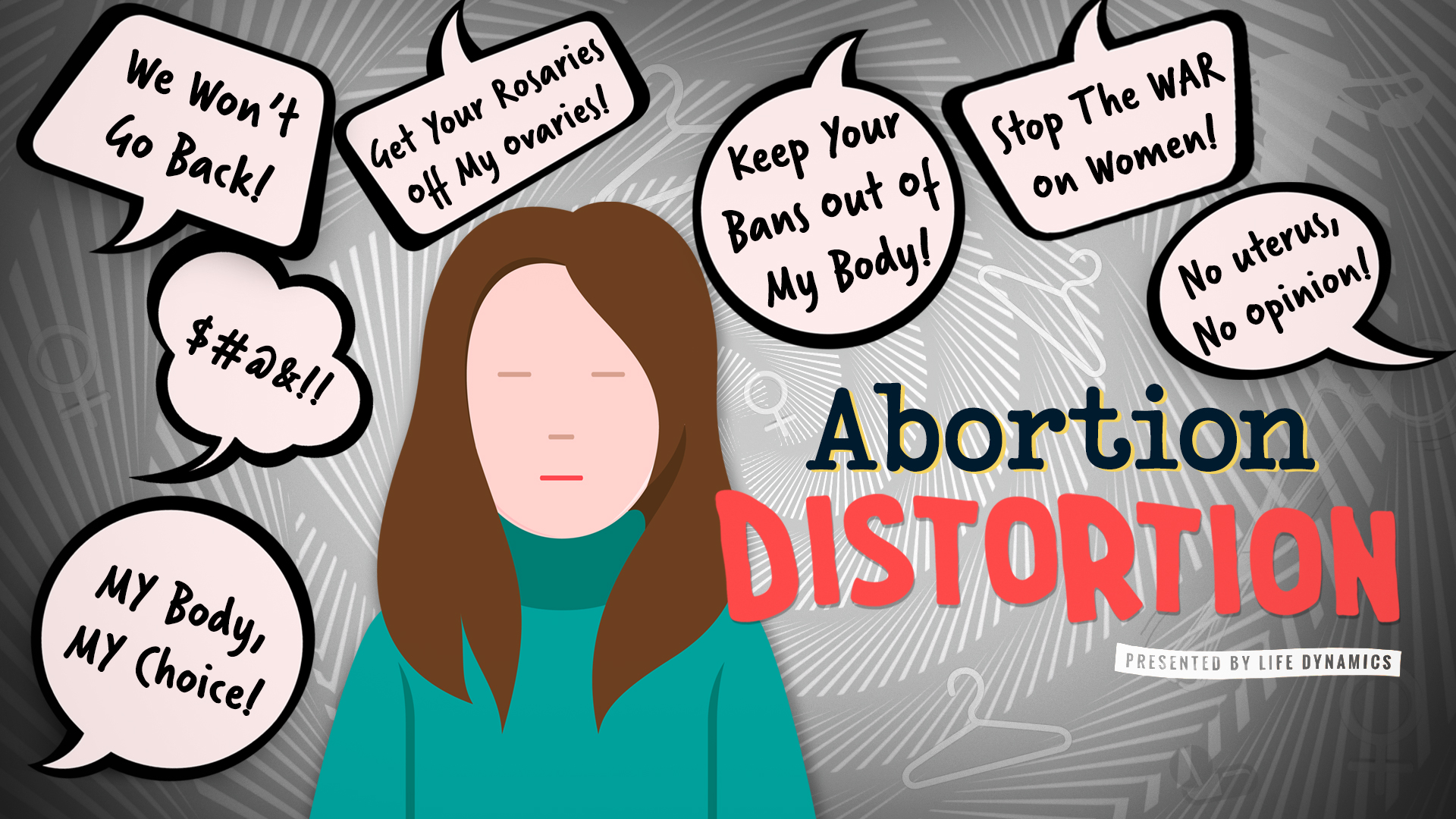
New Pro-Life Animation Video Series Tackles The Hard Pro-Abortion Talking
Life Dynamics, the pro-life organization that produced the ground-breaking documentary, “Maafa 21,” releases a new animation series, titled “Abortion Distortion,”